The Best Air Fryers of 2026: What Actually Matters
Wattage claims, basket sizes, and the spec sheet numbers you can safely ignore.
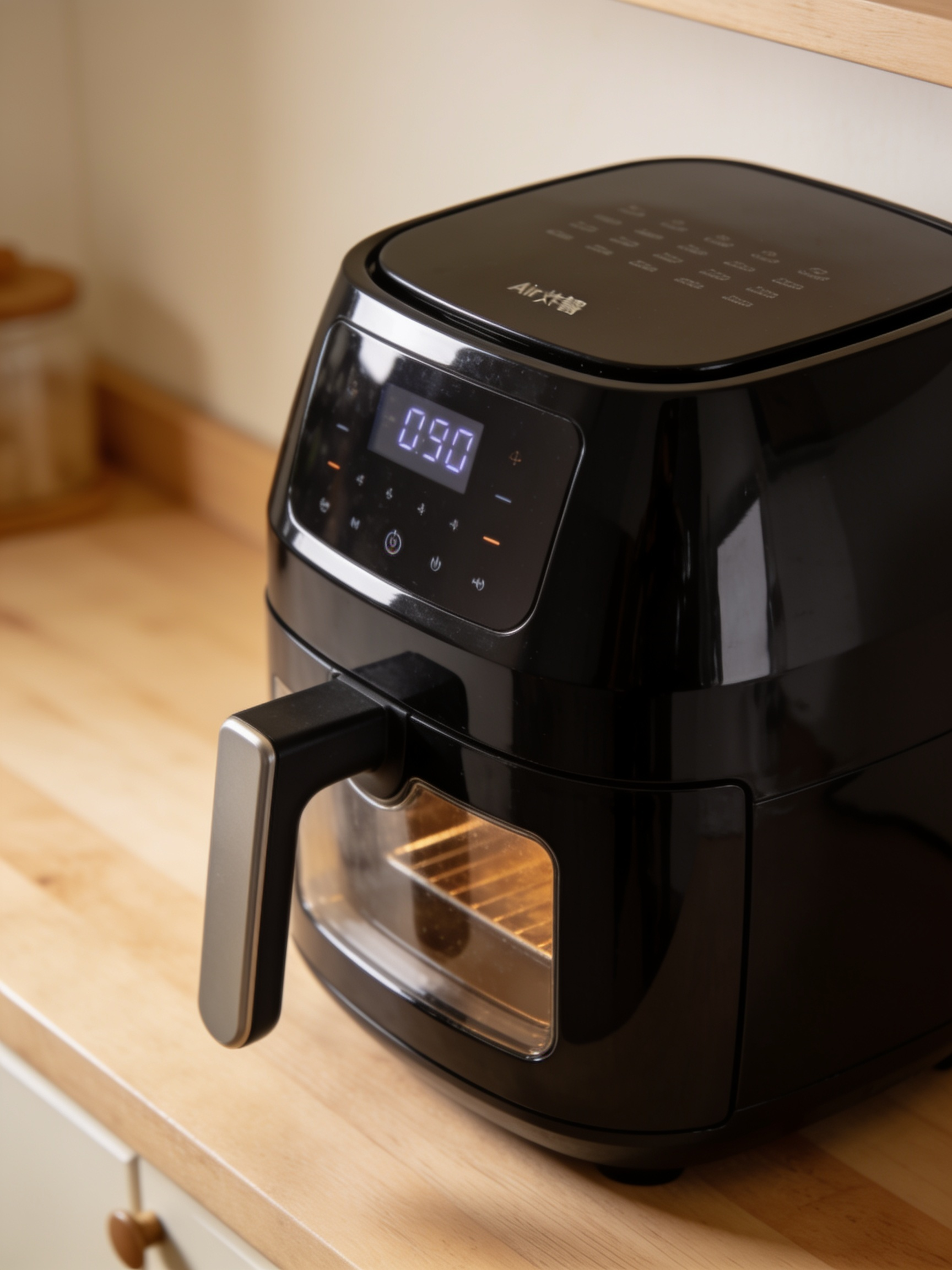
The air fryer is the rare kitchen fad that earned its counter space: it's a small, aggressive convection oven, and small aggressive convection ovens are genuinely useful. But the category's marketing has become a thicket of inflated capacity claims, "AI cooking modes," and wattage one-upmanship. Having tested eleven models over two years, here is what we've learned actually separates a good air fryer from a loud drawer that beeps.
1. Capacity numbers are fiction — measure in chicken thighs
A "6-quart" basket from one brand routinely holds less food than a "5-quart" from another, because there is no standard for where you measure. Our practical unit: bone-in chicken thighs arranged in a single layer. A genuine family-size fryer fits six. Anything that fits four is a two-person machine, whatever the box says. If you can, look at the basket's floor dimensions rather than its volume.
2. Ignore wattage; look for max temperature
1,500 versus 1,700 watts changes preheat time by seconds. What changes results is the maximum set temperature. Models that reach a true 400–450°F produce the browning people actually buy these machines for; several budget models top out at a claimed 400°F that our oven thermometer measured as 370°F, which is why their fries come out "steamed blonde." If a manufacturer publishes third-party temperature verification, that's a green flag bordering on a miracle.
3. The basket matters more than the brain
Skip the 27 presets — you will use two of them, ever. Spend your attention on:
- Dishwasher-safe basket and crisper plate. Hand-wash-only models stop getting used by week six. We've watched it happen to our own staff.
- A flat, ungrooved basket floor. Grooves catch breading and burn it into carbon jewelry.
- A window and light. Sounds trivial; saves you from the open-shake-close heat dump cycle that slows cooking.
4. Drawer vs. oven style: pick by household size
Drawer-style fryers heat faster and crisp better per square inch — right for one to three people. Oven-style (toaster-oven format) trades some crisping intensity for racks, trays, and the ability to cook two things at once — right for four-plus, or anyone replacing a toaster oven anyway. Dual-basket models, in our testing, mostly solve a problem ("my fries and wings finish at different times") that a single bigger basket also solves.
5. The noise spread is wider than you think
Our quietest test unit ran at 54 dB, our loudest at 68 — the difference between a fridge hum and a conversation you have to talk over, every night, for fifteen minutes. Manufacturers almost never publish this number, which tells you something. If you can, run a floor model before buying.
The bottom line
Buy the size that fits your actual household measured in chicken thighs, verify it gets genuinely hot, insist on dishwasher-safe parts, and spend nothing extra on presets or app connectivity. In our two years of testing, the machines that follow those four rules — and they exist at every price from $60 to $250 — have never produced a bad batch of fries. The ones that lead with "smart" features have never produced a great one.